SUMMARY: An escrow account helps homeowners manage big expenses like property taxes and insurance by spreading those costs across monthly mortgage payments. Understanding how escrow works and why payments sometimes change can help you plan ahead and keep your budget on track.
Buying a home is one of the biggest financial steps you’ll ever take, and with it comes many moving parts. One of the most important (and often overlooked) pieces is escrow. Escrow may sound complicated, but it’s simply a smart system designed to help homeowners manage key expenses like property taxes and insurance. Here are the basics:
What is an escrow account?
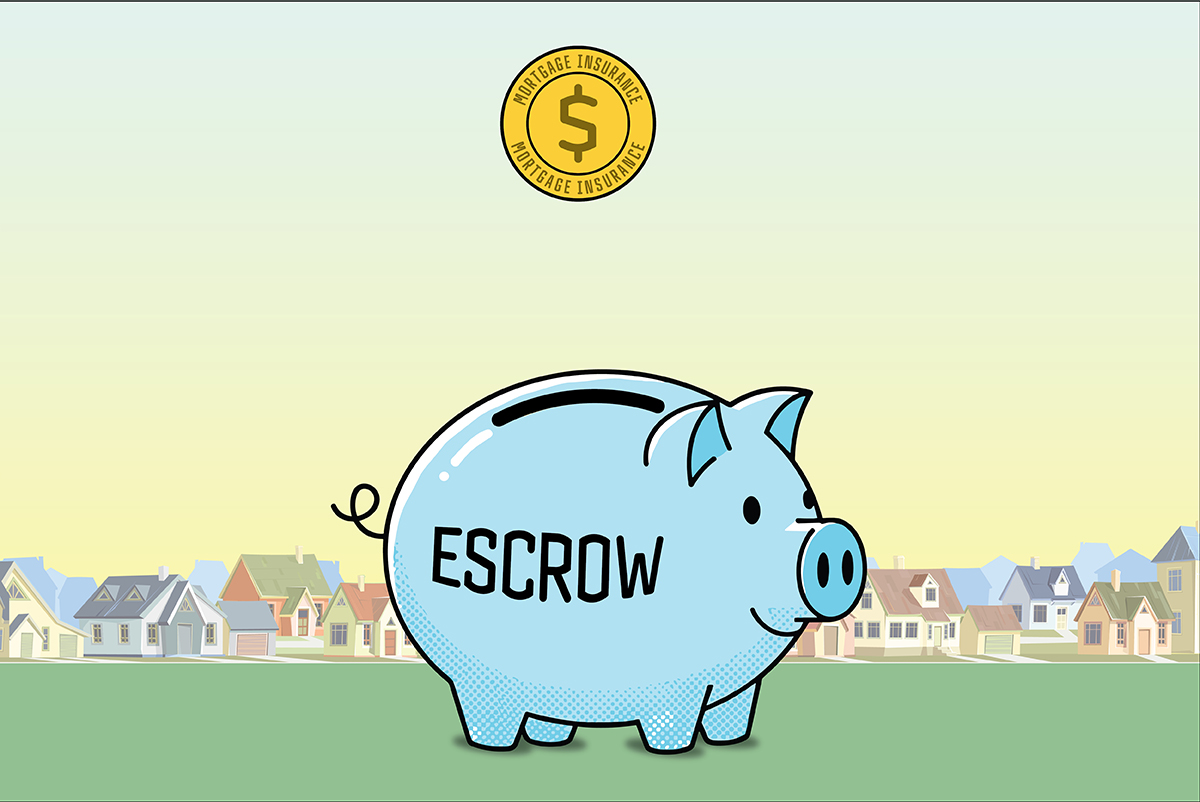
An escrow account is a separate account your mortgage lender sets up to hold funds for costs tied to your homeownership – typically property taxes, homeowners’ insurance and mortgage insurance. Each month, part of your mortgage payment goes into the escrow account so those bills can be paid on time when they come due.
Why does escrow matter in mortgage planning?
When budgeting for your new home, it’s easy to focus on the principal and interest, but taxes and insurance can add thousands to your budget each year. Escrow helps you plan ahead by spreading those costs over 12 months, making your total monthly payment more predictable.
Tip: When calculating affordability, include your estimated escrow payment in your monthly housing budget to get a clearer picture of what you’ll actually pay.
Why do escrow payments change?
If your property taxes or insurance premiums rise (or fall), your escrow payment will adjust accordingly — automatically. Lenders review escrow accounts annually to ensure there’s enough money to cover upcoming bills. If they find a shortage, your monthly payment may increase slightly. If there’s an overage, you could receive a refund or a lower payment next year.
How does escrow help with tax and insurance payments?
Because property taxes and insurance are often the largest recurring expenses beyond your mortgage itself, escrow acts as a built-in safety net. It prevents missed or late payments— which could result in penalties or even lapses in coverage— by ensuring the funds are set aside automatically.
How do you set up escrow?
Most homeowners establish escrow through their lender or mortgage services when closing on a home, like those offered at American Airlines Federal Credit Union. The lender handles the setup and manages payments directly with your county and insurance provider. However, for those who prefer to manage funds independently and have the discipline to save regularly, creating a self-managed escrow fund is an option. This approach requires consistency and planning to ensure enough money is available when bills come due.
Just remember that escrow isn’t just another line on your mortgage statement, it’s a built-in budgeting tool that offers peace of mind. By understanding how it works, you can make smarter decisions about your mortgage, your savings and your long-term financial stability.
Consult your legal or tax counsel for advice and information concerning your particular circumstances. Neither American Airlines Federal Credit Union nor any of its representatives may give legal or tax advice.